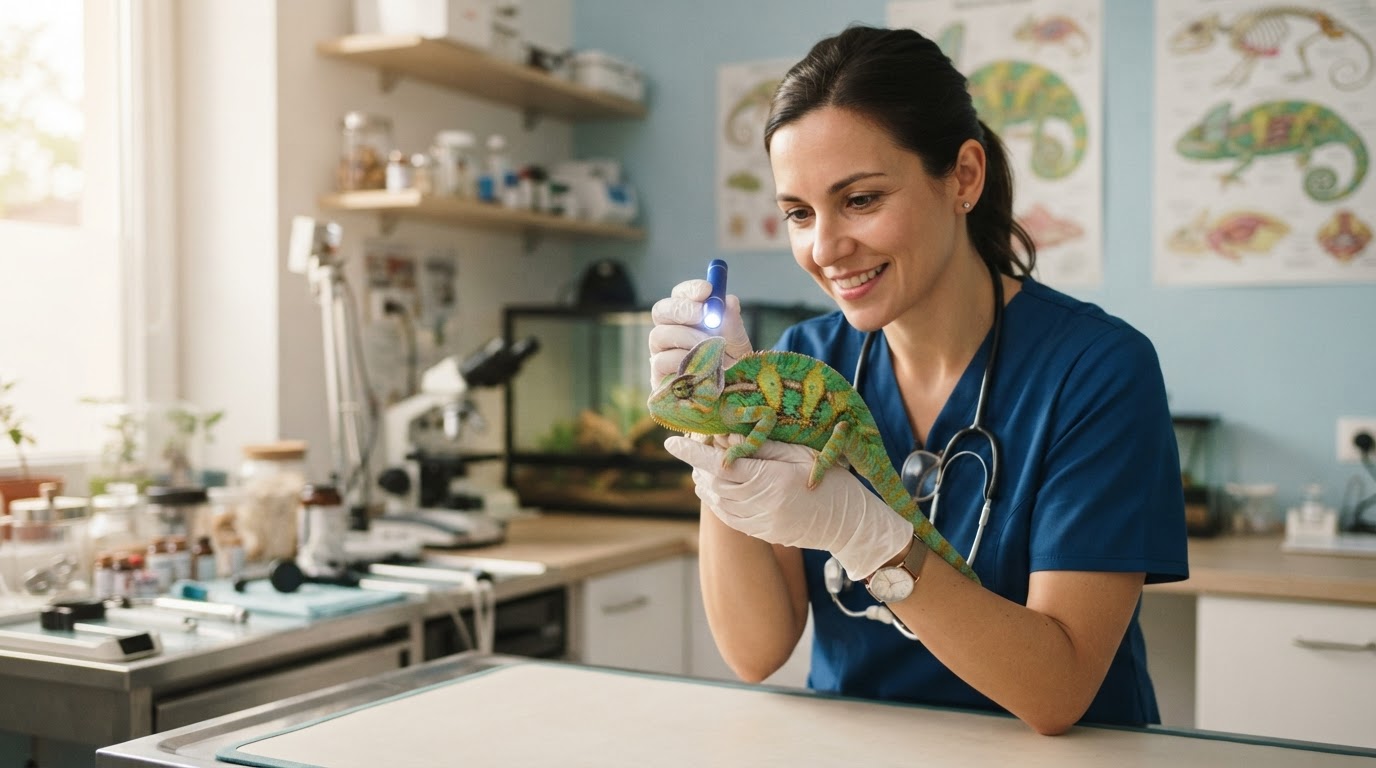
Prevention Is the Best Medicine
The single most effective health strategy for captive reptiles is prevention through proper husbandry. The vast majority of health problems seen in reptile veterinary clinics are directly caused by incorrect temperatures, inadequate lighting, improper diet, or poor hygiene. Fix the husbandry, and most health issues resolve or never appear in the first place.
That said, even perfectly kept reptiles can fall ill. Knowing how to recognize early warning signs, when to seek veterinary care, and how to support your animal's recovery can mean the difference between a minor setback and a life-threatening emergency.
Building Your Reptile Health Team
Before you bring a reptile home, find a qualified reptile veterinarian in your area. Not all veterinarians are trained in herptile (reptile and amphibian) medicine. Look for:
- Veterinarians who are members of the Association of Reptilian and Amphibian Veterinarians (ARAV)
- Board-certified specialists in zoological medicine or reptile/amphibian practice
- Clinics that specifically list exotic or reptile services
- Recommendations from local reptile societies or herpetological groups
Establish a relationship with your vet when your reptile is healthy. A baseline wellness exam provides reference data for future comparison and allows your vet to identify subtle issues you might miss.
The Wellness Checklist
Perform a brief daily visual health check during routine care. Look at your reptile with intentional observation, not just a passing glance.
Eyes
- Should be clear, bright, and fully open
- No swelling, cloudiness, or discharge
- Sunken eyes indicate dehydration
- Swollen or crusty eyes may indicate vitamin A deficiency or infection
Nose and Mouth
- Nostrils should be clean and dry
- Bubbling or mucus from the nostrils is a classic sign of respiratory infection
- The mouth should close fully; gaping or open-mouth breathing (in non-basking contexts) is abnormal
- Check for mouth rot (stomatitis): reddened gums, cheesy discharge, or tissue erosion along the gum line
Skin and Scales
- Scales should be smooth, intact, and free of lesions
- Retained shed (dysecdysis) appears as opaque, stuck patches of old skin, particularly around the toes, tail tip, and eyes
- Burns appear as darkened, blistered, or necrotic patches — usually from unregulated heat sources
- Scale rot appears as discolored, soft, or eroded ventral (belly) scales — caused by chronically damp, unsanitary conditions
Body Condition
- Healthy weight varies by species; learn what proper body condition looks like for your specific animal
- Spine and hip bones should not be prominently visible (underweight)
- No excessive fat deposits at the tail base or neck (obese)
- The belly should be smooth and clean, without swelling or discoloration
Behavior
- Activity level appropriate for the species and time of day
- Alert and responsive to stimuli
- Normal feeding response at expected intervals
- Regular, well-formed droppings (feces, urates, and sometimes liquid urine)
Common Reptile Health Problems
Metabolic Bone Disease (MBD)
MBD is the most common serious health condition in captive reptiles and is almost entirely preventable. It results from calcium deficiency, usually due to inadequate UVB lighting, insufficient calcium supplementation, or improper calcium-to-phosphorus dietary ratios.
Early signs include lethargy, decreased appetite, and subtle trembling. Advanced cases show softened bones ("rubber jaw"), limb swelling, spinal deformities, spontaneous fractures, and seizures. Early-stage MBD is treatable with husbandry corrections and veterinary-guided calcium supplementation. Advanced cases may be irreversible.
Respiratory Infections (RI)
Respiratory infections are common in reptiles kept in conditions that are too cold, too damp, or too dry. Bacteria, viruses, fungi, and parasites can all cause RI.
Signs include: wheezing or clicking sounds during breathing, nasal discharge or bubbling, open-mouth breathing, lethargy, loss of appetite, and extended neck posture (stargazing in snakes).
Treatment requires veterinary diagnosis (often including culture and sensitivity testing) and appropriate antibiotics or antifungals. Husbandry corrections are essential for recovery and prevention of recurrence.
Parasites
Both internal and external parasites affect reptiles.
Internal parasites (pinworms, coccidia, flagellates, amoebae) are common in wild-caught animals and can spread in collections through shared tools or substrate. Annual fecal examinations are recommended, even for apparently healthy animals. Treatment involves species-specific antiparasitic medications prescribed by a veterinarian.
External parasites primarily include mites. Snake mites (Ophionyssus natricis) are tiny, dark, mobile parasites that feed on blood and can transmit disease. They reproduce rapidly and infest enclosures. Treatment involves treating both the animal and the environment, often with reptile-safe miticides.
Shedding Problems (Dysecdysis)
Incomplete shedding is usually a husbandry issue, not a medical one. Common causes include inadequate humidity, dehydration, or underlying skin conditions.
Retained shed around the toes and tail tip can act as a tourniquet, cutting off blood flow and causing tissue death and loss of digits. Retained eye caps (spectacles in snakes) can lead to secondary infections.
Treatment: Increase humidity, provide a warm soak, or place the animal in a humidity chamber (damp paper towels in a ventilated container). Gently remove retained shed only when softened — never peel dry shed, as this can tear living tissue underneath.
Thermal Burns
Burns occur when reptiles come into direct contact with unregulated heat sources — heat mats without thermostats, exposed heat lamps, or hot rocks (which should never be used). Reptiles may not sense the heat damage until significant tissue injury has occurred.
Burns require veterinary treatment. Severe burns can become infected and lead to sepsis. Prevention: Always use thermostats on all heating devices and ensure physical barriers between the animal and heat sources.
Mouth Rot (Infectious Stomatitis)
Stomatitis is a bacterial infection of the oral tissues, often secondary to mouth injuries, immunosuppression from poor husbandry, or stress. Signs include reddened gums, cheesy or cottage-cheese-like discharge in the mouth, swelling around the jaw, and reluctance to eat.
Veterinary treatment is essential and typically involves oral debridement, topical antiseptics, and systemic antibiotics.
Egg Binding (Dystocia)
Female reptiles can produce eggs even without a male present (infertile eggs). Egg binding occurs when a female is unable to pass her eggs, which can be life-threatening. Causes include inadequate nesting sites, calcium deficiency, dehydration, or anatomical abnormalities.
Signs include prolonged straining, lethargy, swollen abdomen, and loss of appetite in a gravid (egg-bearing) female. This is a veterinary emergency requiring immediate professional attention.
When to See the Vet
Seek veterinary care immediately for:
- Open-mouth breathing or respiratory distress
- Visible blood in droppings or from any body opening
- Severe lethargy — no response to stimuli
- Seizures or severe trembling
- Prolapse (tissue protruding from the vent/cloaca)
- Suspected egg binding
- Traumatic injuries (bites, falls, burns)
- Rapid weight loss
- Refusal to eat for extended periods (varies by species; a ball python may fast for months naturally, but a bearded dragon skipping meals for a week warrants concern)
Schedule a non-emergency veterinary visit for:
- Persistent retained shed despite humidity adjustments
- Chronic mild weight loss
- Changes in droppings (color, consistency, frequency)
- Mild lethargy or behavior changes
- New animal wellness exams
- Annual parasite screenings
The First Aid Kit
Every reptile keeper should maintain a basic first aid kit:
- Betadine (povidone-iodine) solution for wound cleaning
- Chlorhexidine solution for disinfection
- Sterile gauze pads
- Veterinary wound spray or silver sulfadiazine cream (for burns, with vet guidance)
- Digital kitchen scale for regular weight tracking
- Syringe (no needle) for oral hydration
- Unflavored Pedialyte for electrolyte replacement
- Clean towels for restraint and handling
- Transport container for veterinary visits
Quarantine Protocol
Always quarantine new reptiles for a minimum of 30-90 days before introducing them to your collection. During quarantine:
- House in a separate room from existing animals
- Use paper towel substrate for easy monitoring
- Service quarantine animals last, after all other enclosures
- Use dedicated tools (tongs, spray bottles) that don't cross-contaminate
- Perform a fecal examination through your veterinarian
- Monitor for any signs of illness
Quarantine protects your existing animals from cryptosporidium, IBD (inclusion body disease in boas and pythons), and other pathogens that may not show symptoms immediately.
Your reptile's health is a reflection of the care you provide. Invest in proper husbandry, establish a relationship with a qualified veterinarian, and learn to observe your animal with a critical eye. The reward is a healthy, vibrant companion that may share your life for decades.
Frequently Asked Questions
What are common health issues in reptiles?
The most common health issues include metabolic bone disease (from calcium/UVB deficiency), respiratory infections (from incorrect temperatures or humidity), parasites (internal and external), shedding problems (from low humidity), thermal burns (from unregulated heat sources), mouth rot (bacterial oral infection), and egg binding in females.
How do I recognize if my reptile is sick?
Warning signs include lethargy, loss of appetite, weight loss, nasal discharge or bubbling, open-mouth breathing, swollen or cloudy eyes, retained shed, discolored or soft scales, abnormal droppings, tremors or twitching, and behavioral changes. Daily visual health checks help catch problems early when they're most treatable.
What preventive measures can I take for my reptile's health?
Maintain correct temperatures with thermostats and digital monitoring, provide appropriate UVB lighting, feed a varied and supplemented diet, keep the enclosure clean, maintain proper humidity, quarantine new animals for 30-90 days, perform daily health observations, and schedule annual veterinary wellness exams with fecal testing.
How often should I take my reptile to the vet?
Schedule an initial wellness exam when you first acquire your reptile, then annual checkups with fecal parasite screening. Seek immediate veterinary care for emergencies: respiratory distress, bleeding, seizures, prolapse, suspected egg binding, severe burns, or traumatic injuries. Non-emergency visits are warranted for persistent shedding issues or gradual behavior changes.
What vaccinations do reptiles need?
Reptiles do not currently receive routine vaccinations like dogs and cats. Health prevention focuses on proper husbandry (correct temperatures, UVB, humidity, diet), quarantine protocols for new animals, regular parasite screening, and annual wellness examinations. Research into reptile vaccines is ongoing but none are standard practice at this time.